








Carbon Monoxide Safety for Homes With Boilers and Furnaces in Summit County
 Mountain living is special, yet high elevation adds unique risks for combustion appliances. If you heat with a boiler or furnace, carbon monoxide safety in Summit County should be at the top of your home list, and professional carbon monoxide testing is the most reliable way to confirm your equipment is burning cleanly.
Carbon monoxide is colorless and odorless, and it can be produced when fuel does not burn completely. In places like Breckenridge, Frisco, Dillon, Silverthorne, and Keystone, long winters mean your heating system works hard, which raises the stakes for proper setup and regular inspection.
Why High Elevation Changes Combustion And CO Risk
At high elevation, there is less oxygen in the air. That matters because fuel needs the right oxygen mix to burn fully, and poor combustion raises the chance of carbon monoxide forming. Altitude combustion is a real factor for Summit County homes. Technicians account for thinner air when they evaluate gas pressure, burner performance, and venting. A system that seems fine at sea level may not be tuned for a ski-town winter. High altitude combustion needs expert tuning to stay safe and efficient.
Your risk is also shaped by home features common in our area. Tight building envelopes keep heat in, yet they can reduce makeup air for combustion. Heavy snowfall can push exhaust closer to the ground and create pockets where fumes linger. Vacation homes that sit empty for stretches can see vent wildlife intrusion or debris that goes unnoticed until the heat kicks on again.
Professional Carbon Monoxide Testing For Boilers And Furnaces
A licensed plumber with combustion training uses specialized instruments to measure carbon monoxide at the appliance and in the surrounding space. The goal is to understand how your system behaves under real operating conditions, not just at startup.
During a test visit, your pro can evaluate the draft, inspect heat exchangers, check venting routes, and confirm that dilution air is adequate. If the home has multiple zones or a boiler with indirect water heating, the technician will also consider how those components interact with combustion. Findings guide safe adjustments and, when needed, recommendations for repairs or upgrades.
If your home includes both a boiler for radiant heat and a separate furnace for an addition, a combined test reviews each appliance on its own and together under load. That approach helps catch problems that only appear when the whole house is calling for heat.
CO Detector Placement And Monitoring That Fits Mountain Homes
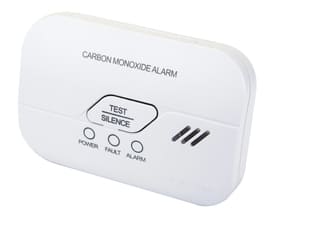
Detectors provide a vital safety layer, yet placement should reflect how your specific home is used. In multi-level mountain houses with basements, lofts, and attached garages, a pro can map where alarms best serve sleeping areas and living spaces, then verify they coordinate well with your equipment.
Many Summit County homes have mechanical rooms tucked behind storage or in crawl spaces. Professional evaluation considers air movement, door undercuts, and nearby exhaust fans that might affect how carbon monoxide moves. Never ignore a CO alarm, even if you feel fine, and leave the building if an alarm sounds.
Monitoring is especially important for second homes. Connected alarms that alert you and your property manager can add peace of mind when you are not in town. A pro can recommend models that suit mountain conditions and your travel schedule without asking you to install or configure them yourself.
Seasonal Factors That Matter In Summit County
Early-season storms can push temperatures below freezing quickly, which means your boiler or furnace runs long cycles. After roof work, siding projects, or a remodel, vent paths and makeup air may change, so a post-project check is smart.
Ski traffic and parking can also change how garages are used. A garage that now stores gear and vehicles most weekends might need updated ventilation strategies to reduce exhaust intrusion into the home. Your technician will look at door seals, shared walls, and the proximity of combustion appliances to the garage environment.
If your family only visits during peak holidays, plan a test when you arrive so any issues are found before the coldest nights. For full-time residents, pairing your annual service with pre-winter maintenance keeps safety and performance on track from the start of the season. Schedule annual testing before the first deep freeze to catch problems under real heating loads.
Clear Signs You Need Immediate Attention
Some clues point to an urgent issue, especially in cold weather when systems run hard. If you notice any of the following, shut the system off and get professional help right away:
- Repeated or unexplained CO alarm activations.
- Sooty staining near burners, draft hoods, or vent connections.
- New or worsening condensation on windows while the heat runs.
- Burners that look lazy, flicker oddly, or show unusual color.
Physical symptoms like headaches, dizziness, or nausea can also be related to CO exposure. If an alarm sounds or symptoms appear, get fresh air and contact emergency services. Your safety comes first, and alarms should never be silenced without a professional inspection.
How Testing Supports Comfort And Efficiency
When combustion is tuned correctly, your home feels warmer with fewer swings, and the equipment experiences less stress. That can extend the life of heat exchangers and other parts that dislike short cycling or improper draft.
- Cleaner combustion lowers the likelihood of soot buildup that can reduce heat transfer.
- Verified venting reduces recirculation of exhaust that can lead to nuisance shutdowns.
- Balanced air supply helps water heaters, fireplaces, and kitchen exhaust coexist with your main heat.
Well-documented carbon monoxide testing also creates a record of how your system performed at your current elevation and configuration. If you add a new zone later or finish a basement, that baseline makes adjustments smoother and more precise.
Your Local Team For Boilers, Furnaces, And Safe Combustion
Choosing a partner who works in our climate every day matters. The licensed pros at Wieronski Plumbing & Heating Inc. understand how altitude, wind, and heavy snow affect venting and combustion, and they apply that knowledge to every visit.
If your heating system needs broader attention, your technician can coordinate with our heating services team to address airflow, duct balance, or boiler controls. When a plumbing component interacts with your heating system, like an indirect tank or gas supply line, our plumbing services group can step in so the whole system works together.
For an everyday partner on home comfort, keep our local plumbing and heating company in your contacts. We serve Summit County’s year-round residents and second-home owners with scheduling that fits mountain life.
Make Your Summit County Home Safer Today
Protect your family and your investment with professional testing tailored to high elevation. Call Wieronski Plumbing & Heating Inc. at 970-668-8800 to schedule your visit now.
If you heat with a boiler, furnace, or both, a focused service built for mountain conditions is the best next step. Ask about carbon monoxide testing during your next tune-up, or book a dedicated visit so we can verify combustion numbers, venting, and detector coverage for your home’s layout and lifestyle.
More Tips on heating