







Tankless Water Heaters in Thin Air: Sizing and Venting for Summit and Vail Homes
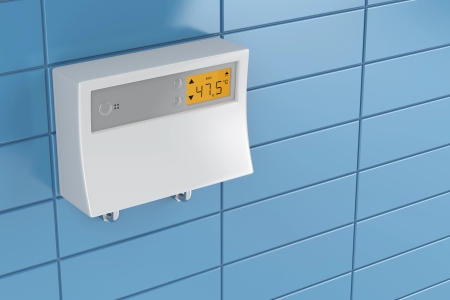 Living at 8,000 feet and above changes how tankless water heaters perform. If you own a place in Breckenridge, Frisco, Silverthorne, Dillon, Keystone, Copper Mountain, or Vail, this guide explains what high altitude does to your system and how a licensed plumber sizes and vents correctly for reliable hot water. For deeper specs and model options, explore our tankless water heaters page.
Why Altitude Changes Tankless Performance
Thin air has less oxygen. Gas appliances need oxygen for clean combustion, so the higher you go, the harder the burner has to work to reach the same output. That means the gallons per minute you see on a box at sea level won’t hold in Summit County or Vail.
Manufacturers account for this with high-altitude settings and performance curves. A pro uses those charts to match your home’s demand with the real output at your elevation, winter inlet water temperature, and preferred hot-water setpoint.
Right-Sizing For Mountain Homes
Proper sizing starts with the fixtures you run together, not just square footage. Think about a morning in Keystone when one shower is going, the dishwasher starts, and someone opens a hot tap at the sink. Your plumber adds those flows and the temperature rise you need, then checks the model’s chart at your elevation.
- Colder inlet water in winter means a higher temperature rise and lower available flow.
- Higher elevations reduce maximum firing rate and effective output.
- Large tubs or body-spray showers can require priority settings or staged demand.
In many Summit County homes, the right answer is a larger single condensing unit with intelligent controls, or two smaller units in cascade when floor plans are long. Oversizing “just in case” wastes energy and can cause short cycling; undersizing delivers lukewarm showers.
Venting That Works In Thin Air
Venting is not one-size-fits-all, especially with long runs and snow loads. Condensing tankless models use Category IV sealed combustion with PVC, CPVC, or polypropylene that’s approved by the manufacturer. Your installer calculates allowable length, counts elbows, and follows clearances for eaves, decks, and windows common in mountain homes.
Sidewall terminations often make sense to avoid long vertical stacks and drifting snow. Roof vents must clear typical snowpack and drifting on ridgelines. Never mix and match vent materials or sizes beyond the listing, and don’t reuse an old B-vent from a tank-style heater.
Combustion Air And Indoor Placement
Sealed-combustion units pull air from outdoors, which is ideal at altitude because indoor barometric swings won’t throw off the flame. Utility closets in Breckenridge townhomes, garages in Silverthorne, and mechanical rooms below grade can all work if the vent lengths and clearances check out.
Keep units out of cramped, dusty ski-gear closets and away from de-icing chemical fumes. Leave service space around the front of the unit for annual maintenance and inspections.
High altitude magnifies small installation mistakes. A slightly long vent run, a tight elbow count, or a starved air intake that might slide at sea level can cause nuisance shutdowns up here. Plan the layout first, then pick the model that fits the layout, not the other way around.
Condensing Tankless Setup For Cold Climates
Condensing units shine in our climate because they recover extra heat from exhaust. That helps when incoming water is chilly and your family wants back-to-back showers after a powder day. To keep a condensing system healthy, your installer provides a neutralized condensate drain that won’t freeze, uses the listed vent material, and sets the slope to move condensate toward the drain.
If the mechanical room is near outside walls, freeze protection around condensate and water lines matters. In some Dillon and Vail homes, heat tape or routing lines away from exterior walls protects the run.
Recirculation Without Wasting Energy
Mountain floor plans can stretch hot-water runs from the utility room to upper primary baths. That long wait wastes water. Modern tankless units offer built-in or add-on recirculation that, when paired with a return line or crossover valve, keeps taps quick without running full-time.
A pro tunes pump schedules and sensors so you get fast, hot water at peak times without constant cycling. That balance saves energy and keeps the unit within its comfort zone.
Gas Supply, Electrical, And Water Quality
At altitude, burner demand and cold water mean the unit may draw near its maximum input when several fixtures run. Your installer verifies gas line sizing from the meter to the appliance, checks regulators, and confirms supply pressure under load with other gas appliances running.
Tankless heaters also need a dedicated electrical circuit for controls and freeze protection. In older homes in Frisco or Avon, panel space and grounding get checked early to avoid surprises on install day.
Hardness varies across Summit County and Vail. Scale hurts efficiency and can trigger error codes. Many systems benefit from a scale-reduction cartridge or conditioner upstream. Annual descaling and a full inspection are the best ways to protect your investment and keep performance steady.
Real-World Scenarios We See In Summit County And Vail
Breckenridge townhome: Two baths, stacked laundry, and a kitchen on a tight utility wall. A single condensing unit with a short sidewall vent and scheduled recirculation handles morning peaks and quick evening showers with minimal wait time.
Vail single-family: Sprawling layout with a soaking tub and showers on opposite ends of the house. Two units in cascade keep the temperature stable under heavy load, while a return line shortens wait times to the owner’s suite.
Each home is unique. That’s why our team at Wieronski Plumbing & Heating, Inc. sizes systems with real fixture counts, altitude charts, and the home’s vent path in mind. If you want to compare models and options, take a look at our overview of water heaters before we visit.
What A Professional Evaluation Includes
- Confirm elevation, expected winter inlet temperatures, and target setpoint.
- Measure simultaneous hot-water demand where you actually need it.
- Map vent path, termination clearances, and condensate routing.
- Check gas supply sizing, regulators, and pressure under load.
- Assess water quality and plan for scale mitigation and maintenance access.
If you’re comparing quotes, ask how each installer accounted for elevation and temperature rise. A low price that ignores derating often costs more later in callbacks and frustration.
Seasonal Realities In The Rockies
January in Summit County can bring single-digit mornings. Inlet water is colder, and guests pile into the showers after skiing. Spring shoulder season is milder, but wind gusts near rooflines can test marginal vent runs.
We plan for those extremes rather than a perfect day. That way, your showers stay hot, and you avoid nuisance error codes when family or renters are in town. If you’re new to the area, our local plumbing company can walk you through a right-sized plan that fits mountain life.
Maintenance That Keeps Performance Steady
Clean combustion, clean heat exchangers, and accurate sensors are the secret to steady temperature and long life. Your tech will flush heat exchangers as needed, clean strainers, test condensate neutralizers, and verify combustion settings with a meter.
Between visits, keep snow and ice away from outdoor terminations and make sure roof vents remain clear after storms. If your unit throws an error code or you smell gas, stop using hot water and call a licensed pro right away.
How We Size and Install for Success
With Wieronski Plumbing & Heating, Inc., you get a straightforward process: we start with a short call, a site visit to review layout and vent options, and a written plan that explains sizing at your elevation. We’ll recommend a condensing tankless setup when it makes sense, specify vent material and termination, and detail recirculation choices for your floorplan.
Once you approve the plan, we coordinate scheduling around weather and access to avoid roof work during heavy storms when possible. You get clear communication and a clean, code-compliant installation from a team that works in Summit County and Vail every week.
Talk With A Mountain Plumber Who Knows Tankless
Ready for consistent, comfortable hot water at altitude? Call Wieronski Plumbing & Heating, Inc. at 970-479-1212 and we’ll right-size your system for Summit County and Vail. To compare models and understand what fits your home, start with our page on tankless water heaters and then book your visit.
More Tips on Water Heaters